The Making Others Great Certification Program.
Learning and helping others learn have become the most important leadership skills.
Few leaders are trained to do it.
This program is that training.
For leaders, learning professionals, coaches, and everyone else developing people.
Ten live sessions over five months. Supervised practice in every one. One method you can use with your people the next morning.
These are the sentences we hear before people certify.
“Our best specialist was promoted — and is now a struggling manager.”
“Feedback here is polite, frequent, and changes nothing.”
“I coach on instinct. When it works, I couldn't tell you why.”
“I want something my team is still using in a year.”
This program changes that.
Developing people is the highest-leverage thing a leader can do. The evidence is clear.
And yet it rarely happens.
The manager explains most of the difference
Gallup's research across thousands of teams attributes around seventy per cent of the variance in team engagement to the direct manager. Not the strategy, not the perks — the person one level up.
Growth is why good people stay
In LinkedIn's workplace learning research, the chance to learn and grow ranks among the strongest reasons people stay — and its absence among the most common reasons they leave.
Training alone does not transfer
Decades of transfer-of-training research point the same way: most of what is taught in a classroom never reaches the job unless it is practised, applied and followed up in real work.
It is a skill, not a personality trait
Research on deliberate practice and on self-determination is clear that developing others can be learned — with a method, supervised practice, and feedback specific enough to act on.
Almost every leader wants to develop their people. Very few actually do it — not because they don't care, but because the gap between knowing and doing is wider than it looks. Ask leaders whether developing people is part of their job and nearly all say yes. Ask when they last held a real development conversation and the answers get vague.
The reasons are always the same four: no time, no idea how, tried it once and it fell flat, nobody here rewards it. Good intentions are not the missing piece. Three other things are.
Tools that survive a Tuesday
Not a model to admire, but a handful of moves you can run in five minutes between two meetings — and still run in a year. That is the bar we design to, and the bar the certification tests.
Knowing your own patterns
Your strongest preferences are also your blind spots. People who push get impatient with those who need to think; people who hold back leave others without direction. You cannot widen a range you have never seen.
Structure that makes it normal
Development that depends on one motivated person stops when that person leaves. Two sessions of the program are spent on making this the way your team works, not a thing you once did.
That is what these ten sessions build. And the return is not only for the people you develop: participants often report they get better at their own work along the way.
Who you'll meet
The program takes place entirely online, so participants join from across the globe. Drawing on our network built since 1999, we curate every cohort to bring together as many different worlds as possible.
Past cohorts have included board members of international corporations and social workers from Nigeria, owners of family businesses and first-year founders, school principals from challenging neighborhoods in the US, directors of family offices, heads of people at technology companies, teachers, and experienced coaches. Over ten online sessions, they work on each other's real situations, and many learning groups keep meeting long after the program ends.
Leaders and future leaders
From start-ups, international corporations and family businesses, looking to strengthen how they lead, build teams and shape culture — with something their people are still using a year later.
Coaches, consultants, teachers and mentors
Who want a proven talent-development framework inside their own practice — adding value they can charge for, and enjoyment they can feel in the room.
HR and L&D professionals
Building a growth culture that does not depend on one motivated person — and carrying career development further than a form once a year.
Specialists moving into leadership
Excellent at the work, new to developing others. This is where the second craft gets learned, before the first year in the role teaches it the hard way.
What we hear again and again: the best ideas come from someone whose world looks quite different from your own.
And it goes in every direction — the executive learns from the teacher just as much as the teacher learns from the executive. Bringing out the best in people works much the same in a workshop, a classroom and a boardroom.
Why this certification
Six differences from the leadership and coaching programs you have already seen.
You coach in every single session
Real people, real cases, and you are coached in return. Master coaches observe and give feedback specific enough to change what you do the next morning. You leave with hours of supervised practice behind you.
It teaches you how adults learn
Andragogy, self-direction, transfer, spaced and deliberate practice. Very few leaders have ever been taught this material — and it changes every conversation, meeting and training you run afterwards.
A method built for this purpose
The ACE it! Method was developed specifically to bring out the best in others. It travels into strategy, innovation and problem-solving too — but making others great is what it was built for.
Months, not a four-day workshop
It runs across five months, with supervision the whole way through — and every module is applied in your own sessions in the same week, so the value shows up while you are still learning.
A virtual room few other programs can fill
Our presence in Europe and the US, and the network around it, allow us to bring together people from backgrounds that rarely meet. For many participants, this is the most valuable part of the program.
A capability that stays
Talent comes, talent goes. What stays is an organization that knows how to develop its own people — a core competency, and a reason people stay.
What you take away
What you learn
What you hold at the end
You will help your organization and your clients develop their talent and fix their workplace problems — with engagement, commitment, and fun.
A large part of the program is spent on the craft of coaching at international standard — ethics, contracting, presence, questioning, feedback — practised under the observation of master coaches. Whether you coach professionally or lead, mentor and teach with these skills, you finish certified to that standard.
The ACE it!® Method
A practical, people-centered framework that turns daily work into lasting learning, action and growth. Built on the world's best innovation methods and learning theories, it has three elements — and the certification makes you a master of all of them.
Understand what is really going on, and name the challenge precisely enough to work on it.
Generate fast, collaborative ideas using structured brainstorming — everyone using a pen.
Move into action, track what works, and scale what delivers.
Into learning, motivation, change and communication — the disciplines that explain why development actually sticks.
To activate solutions instantly. Over 20 in the toolkit, including the Learning Curve, Best Work, the Wheel of Motivation, the Arrow of Success and You At Your Best.
And the exclamation mark? That is the part nobody can hand you: doing it. The method only works when someone actually starts the conversation. Let's ACE it!
You learn the theory, the tools and the practice.
You get all three: the tools, the reasoning behind them, and the current evidence on what makes them work — plus the supervised practice that turns them into craft. That combination is what lets you adapt with confidence in any conversation, whichever way it goes.
The theory and practice of adult learning
You work through andragogy and self-direction, transfer and spaced practice, deliberate practice, motivation and self-determination research, and the conditions under which behavior actually changes — then apply each of them in your own sessions the same week.
State-of-the-art coaching theory and practice
Contracting, presence, listening, powerful questions, goal and outcome frameworks, the working alliance, supervision and ethics — the full craft, taught from the current evidence base. We also put the leading voices in front of you: the Institute of Coaching at McLean Hospital, a Harvard Medical School affiliate, Columbia Coaching, IESE and the professional bodies.
You coach.
In every session you coach real people on real cases, and you are coached in return. Master coaches observe, and the feedback is specific enough to change what you do the next morning. By the end you have hours of supervised practice behind you and a credential that stands behind it.
Ten sessions in five blocks
Five blocks of two sessions, every second week, two hours each. Each block gives you the material and then the practice — you coach, you are coached, and you take the same move into your own work before the next session.
Address — understanding what is really going on
How grown people learn, and why good advice usually fails. Contracting, presence, listening, the questions that open a conversation instead of closing it. Practice: your first supervised coaching rounds.
Create — ideas from the other person, not from you
Structured brainstorming, working from strengths, and the tools that move a stuck conversation: Best Work, the Learning Curve, Current State / Desired State. Practice: you run the tools on a real case.
Execute — from plan to first step
Motivation and self-determination, the Wheel of Motivation and the Arrow of Success, small steps and follow-through. Practice: a full ACE conversation, start to finish.
Yourself — preferences, patterns and blind spots
Your three assessments come back: You At Your Best, ACE Preferences, the Cultural Compass. Where your strongest habits help, where they get in the way, and how to widen the range. Practice: coaching outside your preference.
Rolling it out — and the certification
Building this into a team, a practice or an organization so it lasts. Leading change, facilitating breakthroughs, learning ecosystems, ACE your AI. Practice: the final test, and your certification case presented together with your team.
Your learning group
The live sessions give you the material and the supervised practice. The habit is built in between — together with a small learning group that stays with you for the whole program.
Four to six people
Small enough that everyone brings a real case, large enough for genuinely different perspectives. Deliberately mixed — the coach next to the plant manager next to the headteacher.
Coaching on real cases
You coach each other on situations you are actually carrying at work, using the move from the last session while it is still fresh.
Supervision when you need it
The facilitators are reachable between sessions and bring difficult cases back into the plenary.
Everyone leaves with a next step
Each meeting ends with every person knowing what they will try before the next one. That is the mechanism that turns a method into a habit.
At the end you hold a way of working that runs without you thinking about it — and the evidence, from your own practice, that it works.
What participants say
{{ q.role }}
Who you learn from
The program is led by the two people who built and run the method — in every session, not through assistants.
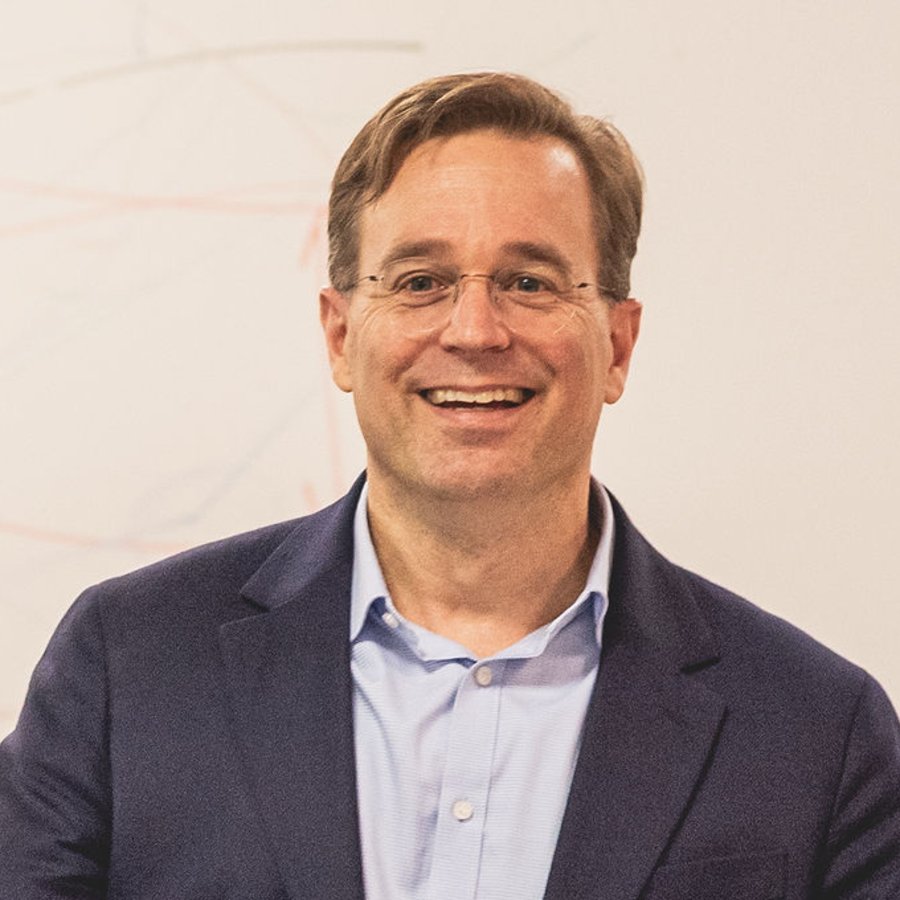
Prof. Dr. Dr. Matthias Ehrhardt
Executive coach and advisor for over 20 years to founders, top executives, VC and PE firms, family businesses and global corporations — including several unicorns and founders he coached through their exits.
He trains and supervises other coaches: he teaches in IESE Business School's Leadership Coaching Program, is a founding fellow of the Institute of Coaching at McLean Hospital, a Harvard Medical School affiliate, and served as academic paper chair at the Columbia University Coaching Conference. Columbia Coaching Certification (ECI/ACI), CPTD, HOGAN, MBTI, TKI, ATD Master Trainer.
Full profile →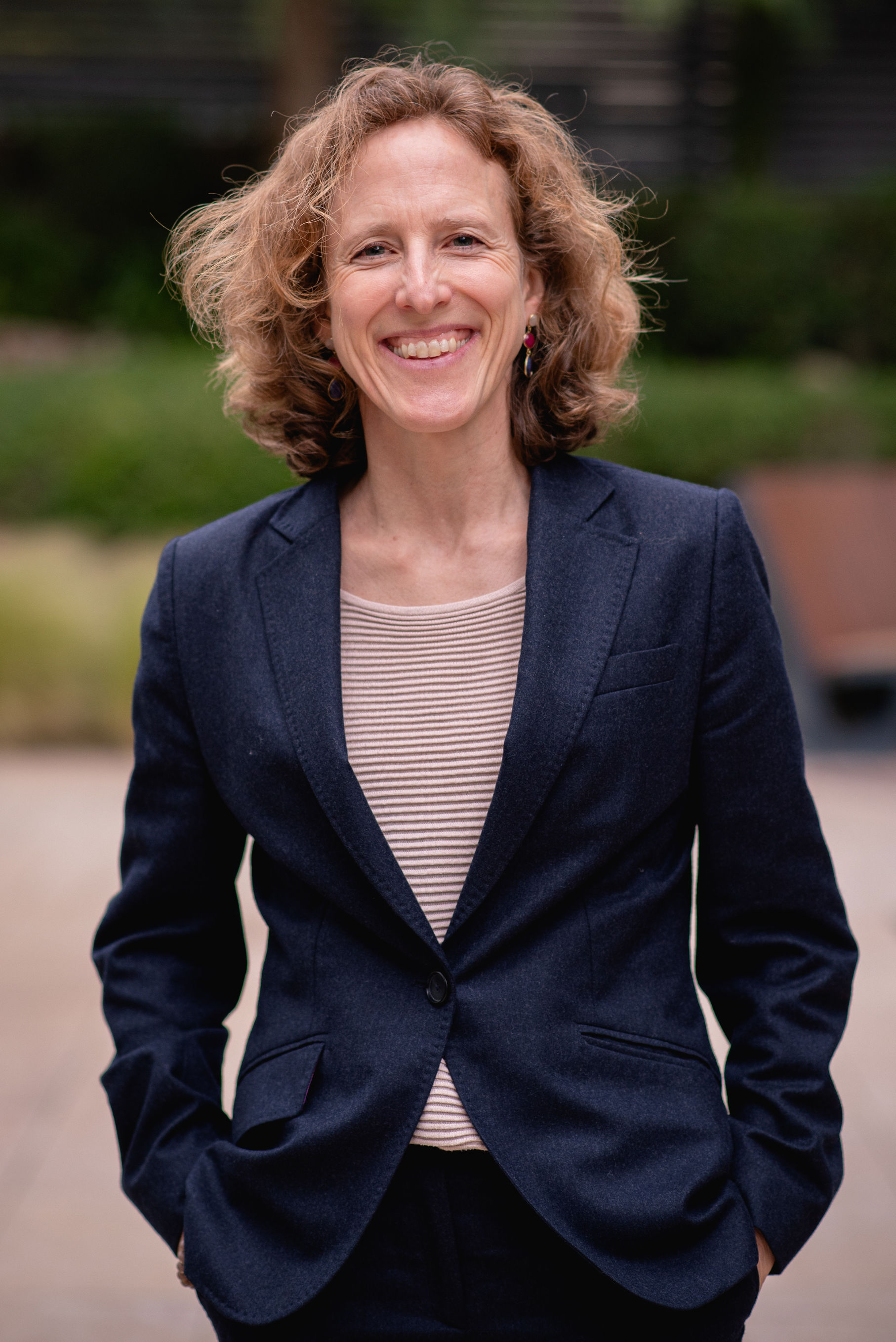
Verena Lauffs
Executive coach, mentor and facilitator for over 10 years across learning, coaching and talent development programs, with start-ups, NGOs and large corporations worldwide.
She runs the practice work: the supervised sessions where you coach real cases and get feedback specific enough to change what you do next. A teacher's degree in languages, social studies and psychology underpins how she builds each cohort's learning arc — and she keeps the learning groups moving between sessions.
Full profile →Nearly 1,000 leaders and coaches have now been certified in the method.
Among them a social worker from Nigeria, a start-up founder from Israel, a C-suite member of a global corporation, physicians and hospital leaders, teachers and university faculty, HR and L&D directors, consultants and executive coaches, NGO directors, family business owners and family office principals. The mix is the point — and for many participants it turns out to be one of the biggest benefits of the whole program: people they would never have met otherwise, many of whom stay friends for life.
The next cohort
Live sessions
The next cohort starts in March 2027 and is taught in English.
Ten live sessions, every second week, two hours each, online on Zoom. We will announce the exact dates at the end of October.
Zum Programm auf Deutsch →Between the sessions your learning group meets at its own rhythm.
Fee
USD 6,500
EUR 5,800 · plus VAT where applicable
Includes all three assessments, the full toolkit and handbook, ten free assessment codes for your own people, and lifetime access to the content.
Scholarships are available. Ask us.
Language
English. The German program starts in January 2027 (Programm auf Deutsch).
For whole teams
From twelve people we run a private cohort for your organization — on your cases, in your context.
Missed a session? It can be made up in the next cohort. A case that is not ready is presented in the following cohort at no extra cost.
Bring your own cases. Leave as an expert in the most important skill there is.
Applications run through autoris.com. We read every one and reply personally — cohorts are composed deliberately, so the conversation matters more than the form.
Places per cohort are limited. If you would rather talk first: we are real people and we answer personally.
Reserve your place